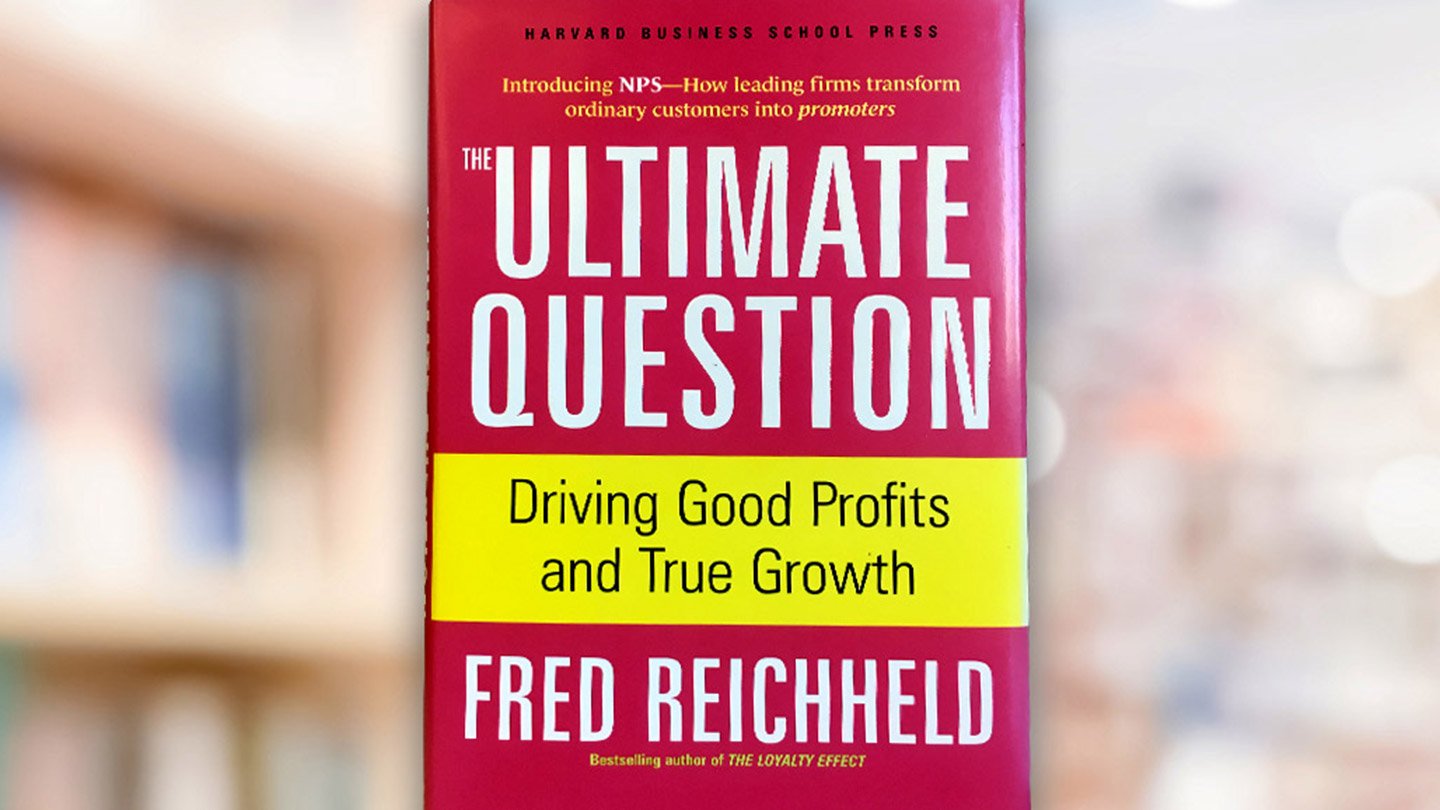
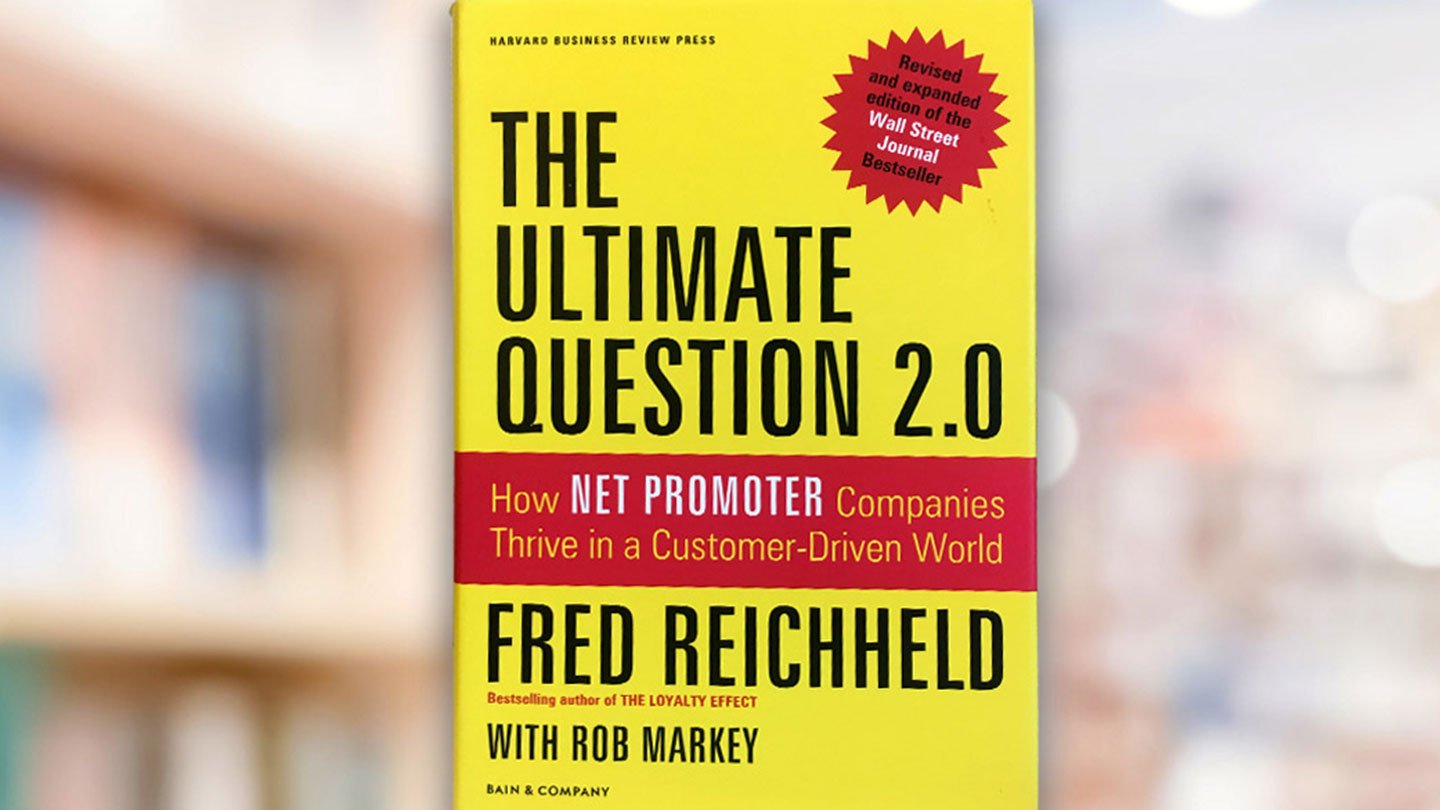
In 2003, Fred Reichheld, a partner at Bain & Company, created a new way of measuring how well an organization treats the people whose lives it affects—how well it generates relationships worthy of loyalty.
He called that metric the Net Promoter® score, or NPS®.
He shared the methodology so anyone could apply it.
Thousands of innovative companies adopted it. Over time, each one developed and expanded it. They improved the methodology. They extended its use beyond customers, applying it to help build employee engagement and commitment. They discovered new methods to broaden its impact, not just to measure customer loyalty but to transform their organizations.

As organizations developed and shared their experiences with Net Promoter, NPS itself evolved into much more than a metric. Though the science is still young, it has become a management system, an entire way of doing business. The initials themselves, NPS, came to mean Net Promoter system rather than just Net Promoter score.

In this section, we address some basics about Net Promoter, and answer some of the most common questions.
• What is employee Net Promoter (eNPS) and why is it such an important part of the Net Promoter system?
• How and why did you develop the Net Promoter score?
• How is NPS related to growth?
• What are the benefits of Net Promoter in comparison to other customer measurements?
• How do you measure your Net Promoter score?